Museum of Medicine Recreating the History of Medicine With AI
By close friends.
How do you film a Neolithic harvest, a Byzantine hospital or a medieval plague?
The Museum of Medicine at the Medical University of Plovdiv tells the story of medicine on Bulgarian lands, from prehistory to the founding of its medical university. Most of that story has no photographs and no footage. We created the AI visuals for its narrated video series, so visitors can see the past the exhibits describe.
Charred pear
Excavation find · as it was
At a glance
Museum of Medicine
Medical University of Plovdiv
Plovdiv
Bulgaria
- Institution
- Medical University of Plovdiv
- Industry
- Museums and cultural heritage
- Scope
- 24 narrated videos across 19 historical themes, plus an animated museum logo
- Period covered
- From the Neolithic to the 20th century
- Our role
- AI-generated historical scenes and animation for the video series
Key highlights
- 24narrated videos in the series
- 19themes, from prehistoric dentistry to the first medical faculty
- Neolithic → 20th c.the historical range of the series
The challenge: history with nothing to film
A museum can show a skull with evidence of prehistoric dentistry, a herbal remedy or a portrait of a 19th-century doctor. It can't show the moments around them: a family farming for the first time, a ritual at a burial, a ward in a medieval hospital.
The museum needed videos that brought those moments back, across thousands of years and dozens of topics, without turning history into fantasy.
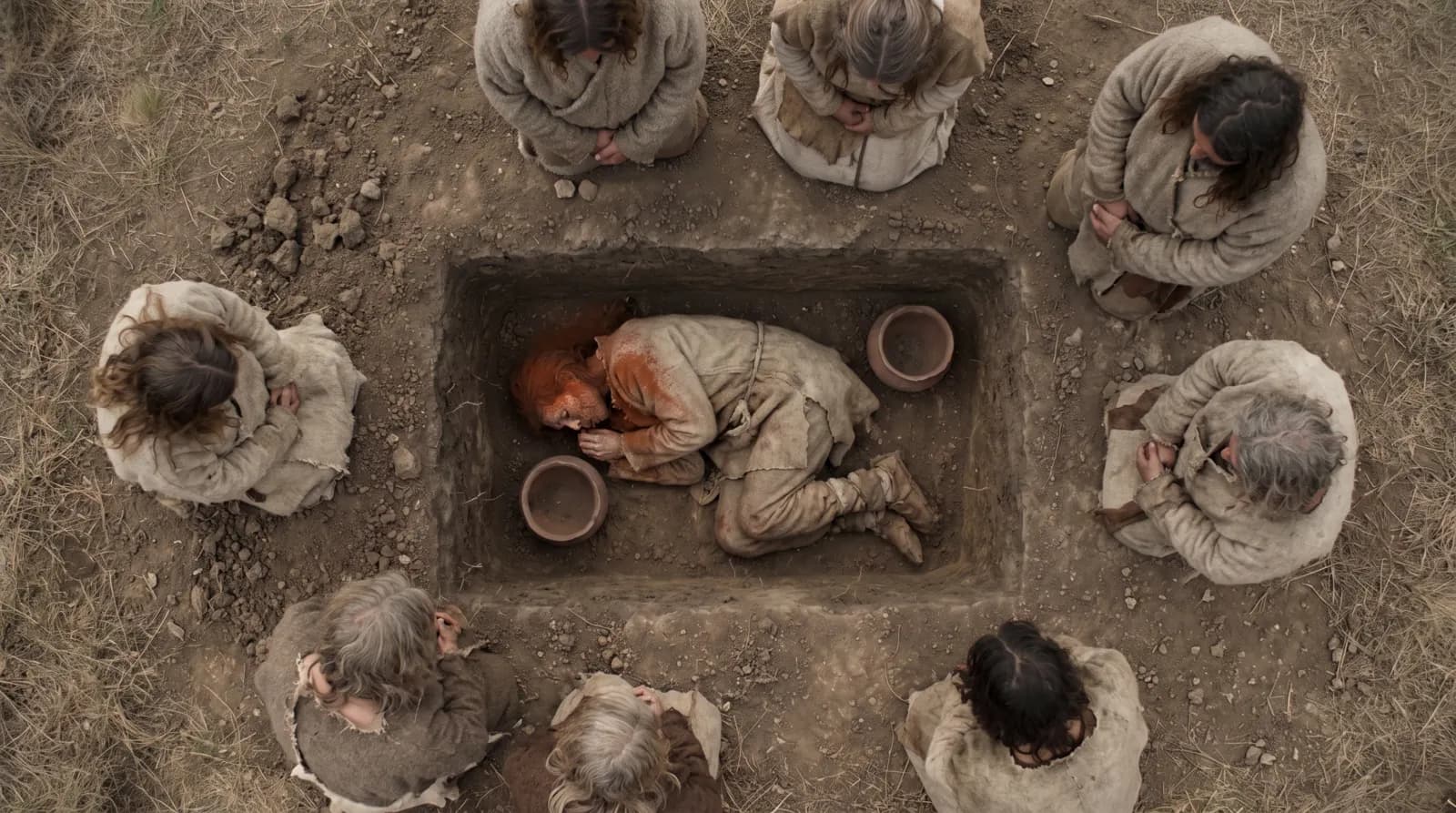
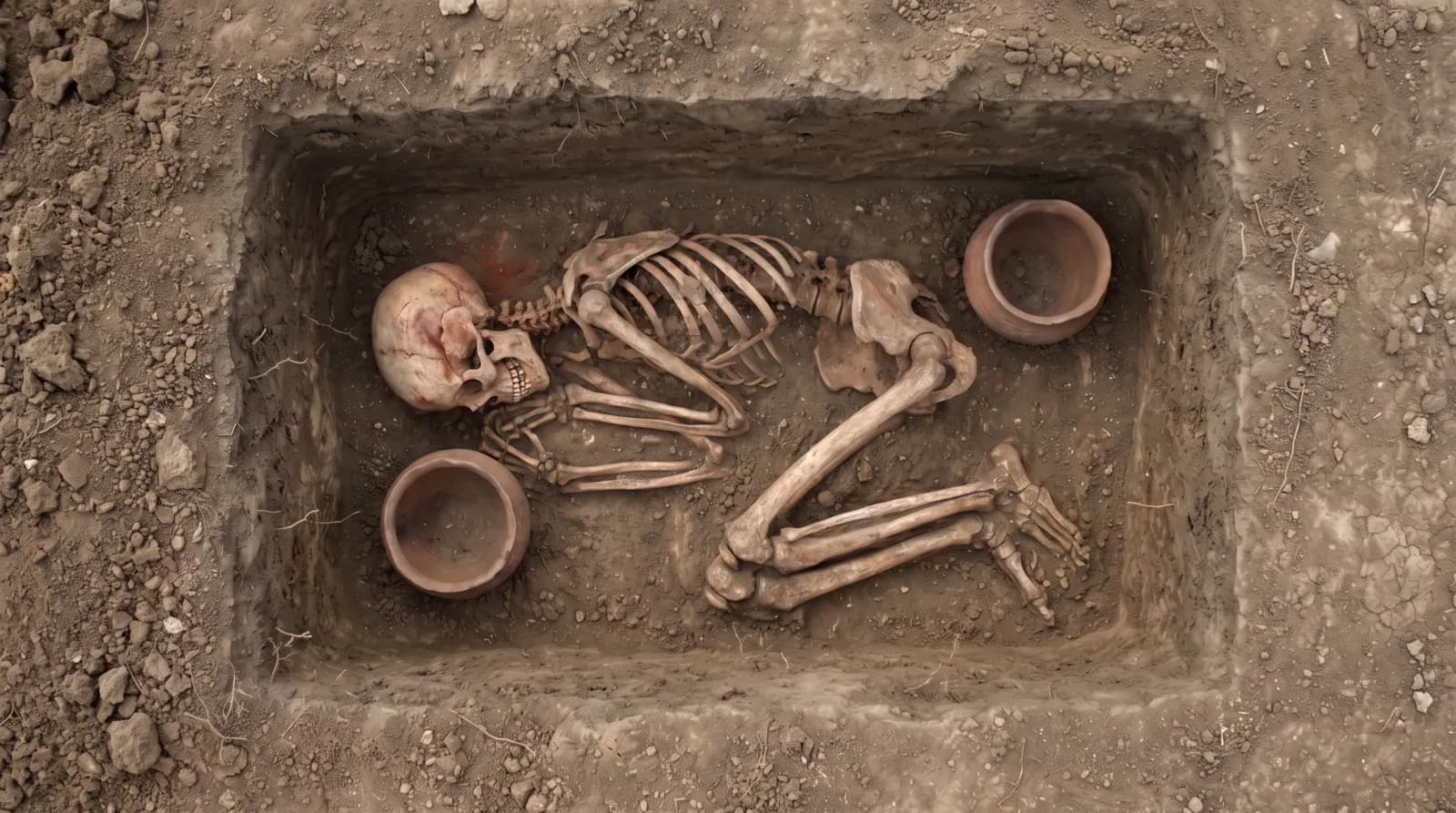
both frames are ours, made with AI. drag ↔
Our approach
Start from the evidence.
Every scene began with the script for its topic and the historical references for its period. In one sequence, a charred pear from an excavation turns back into a fresh fruit, connecting a real archaeological find to the life it came from.
how the shot was made ↓
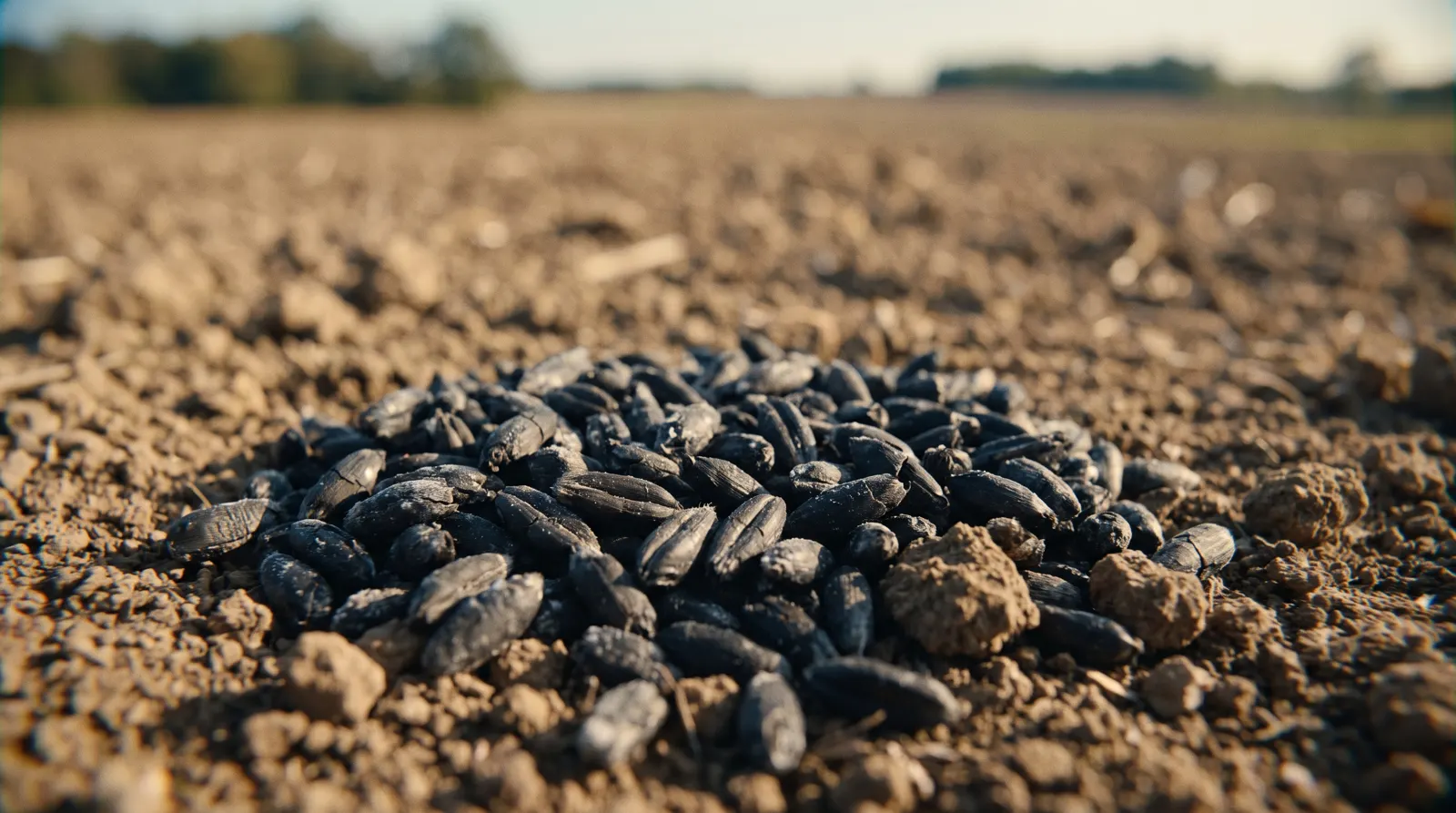 Start frame
1 The charred grain, as found
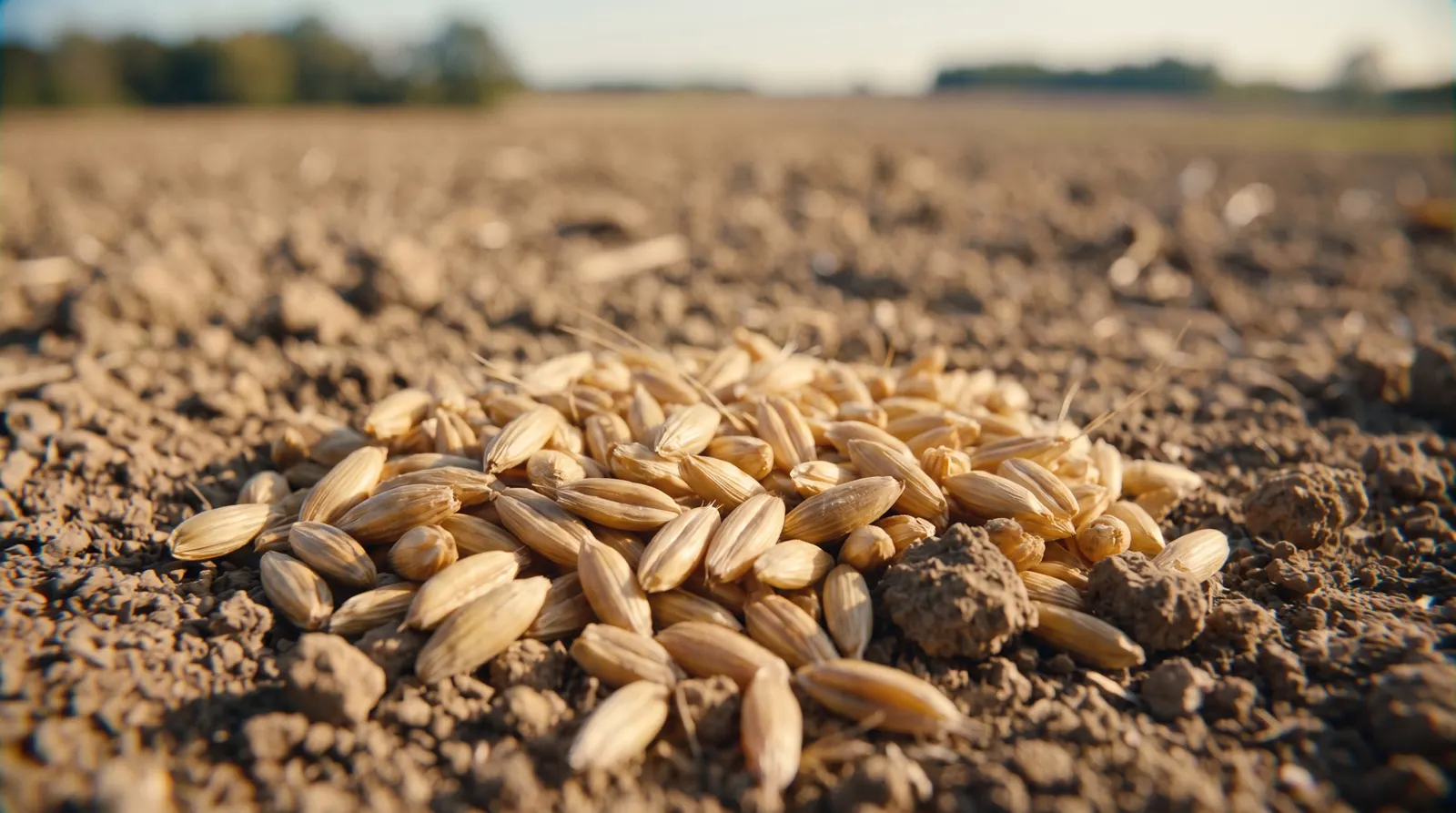 End frame
2 The grain, as it grew
- AI
3 The shot in the series
Make the past look filmed, not illustrated.
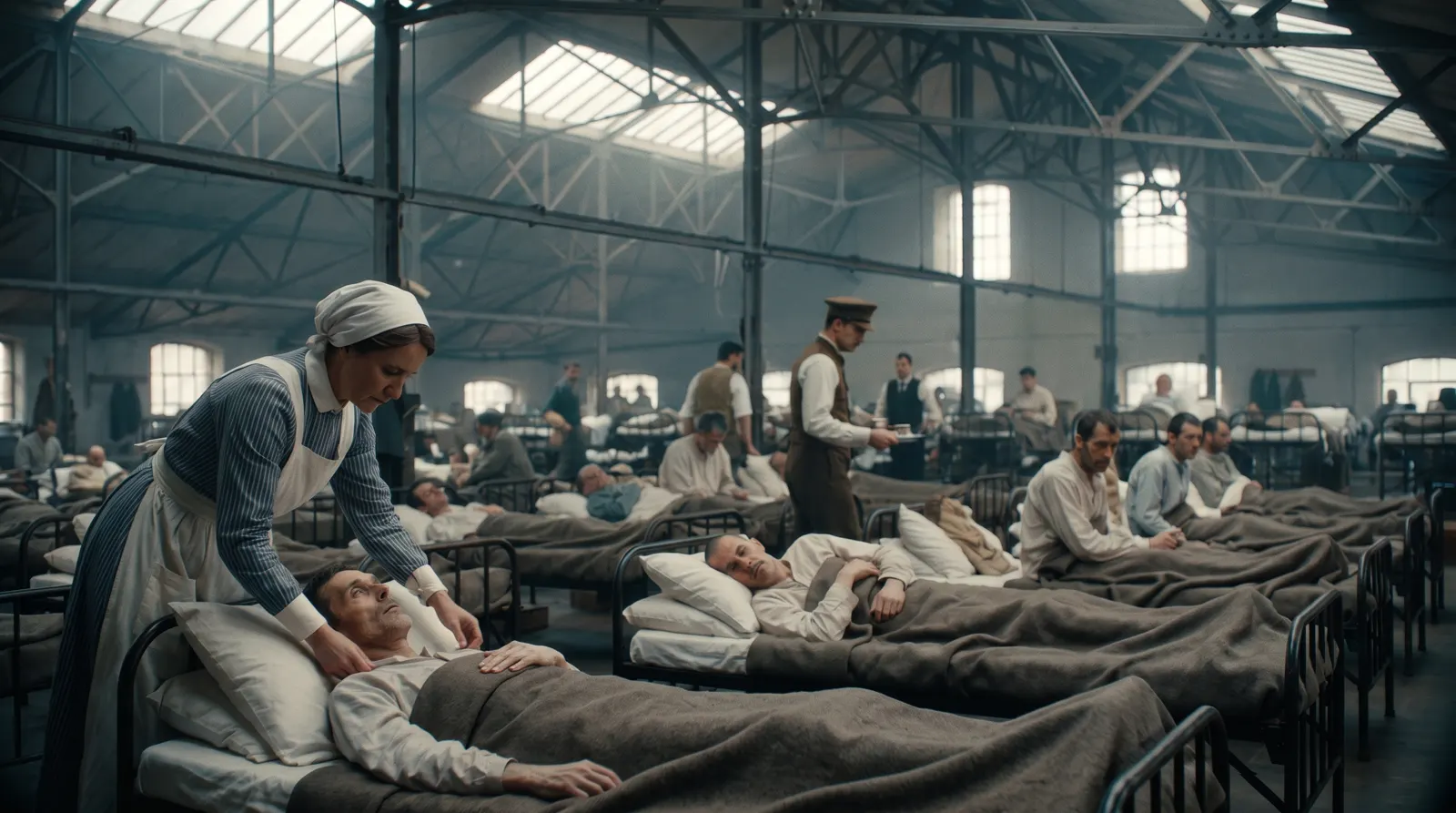
We used a photorealistic visual style, with attention to the environments, clothing, materials and everyday activities associated with each period. The aim was to make distant history feel immediate without presenting artistic reconstruction as archival evidence.
- the village
- a pot, built by hand
- the first herds
- a flint blade
- a wild dog, coming closer
Keep one look across thousands of years.
From prehistoric settlements to Byzantine hospitals, the Ottoman period and the National Revival, each era has its own setting. The visual language stays consistent, so the series feels like one exhibition rather than a collection of separate clips.
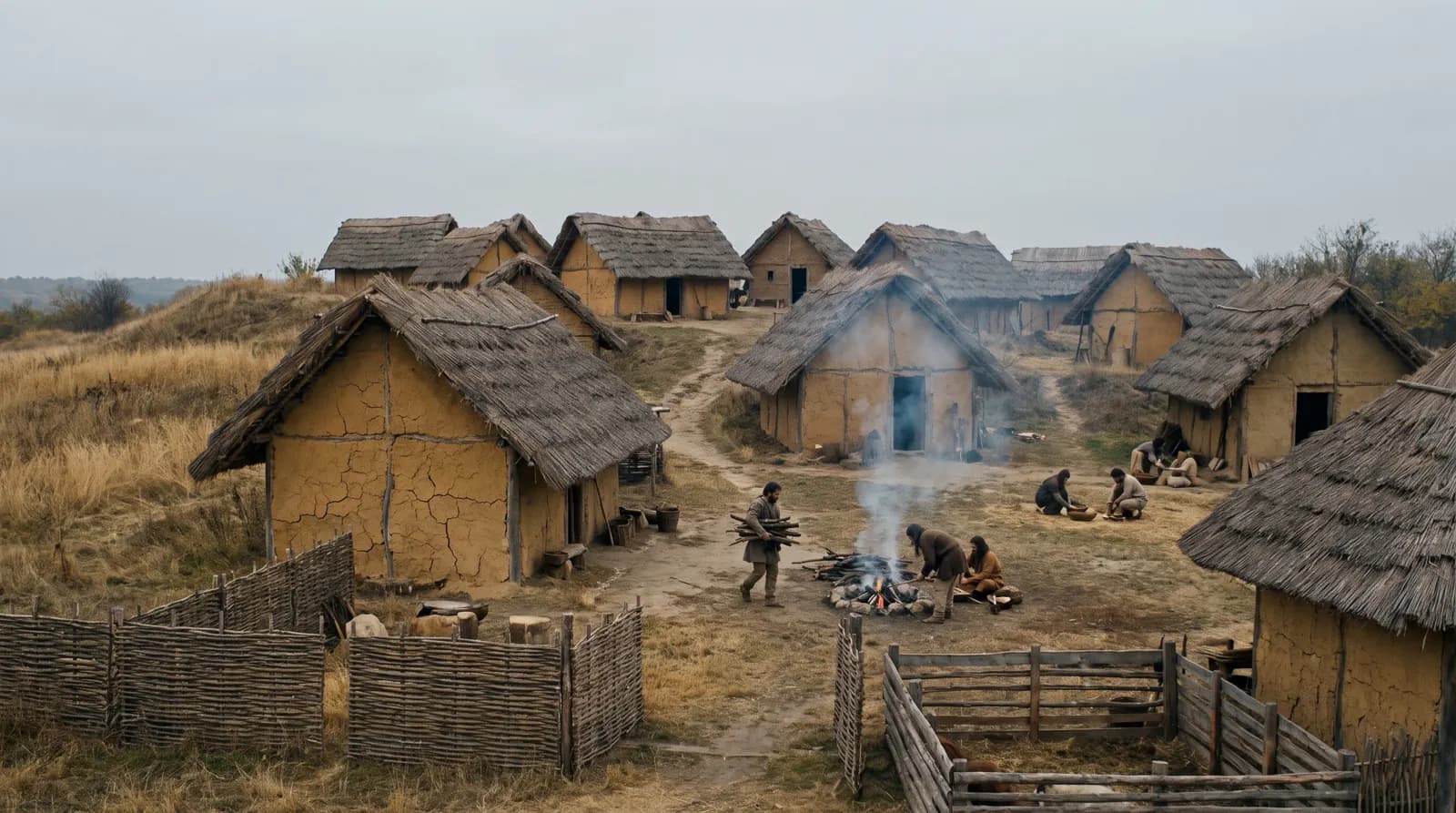 AI
Neolithic · ~6000 BCE
A farming settlement
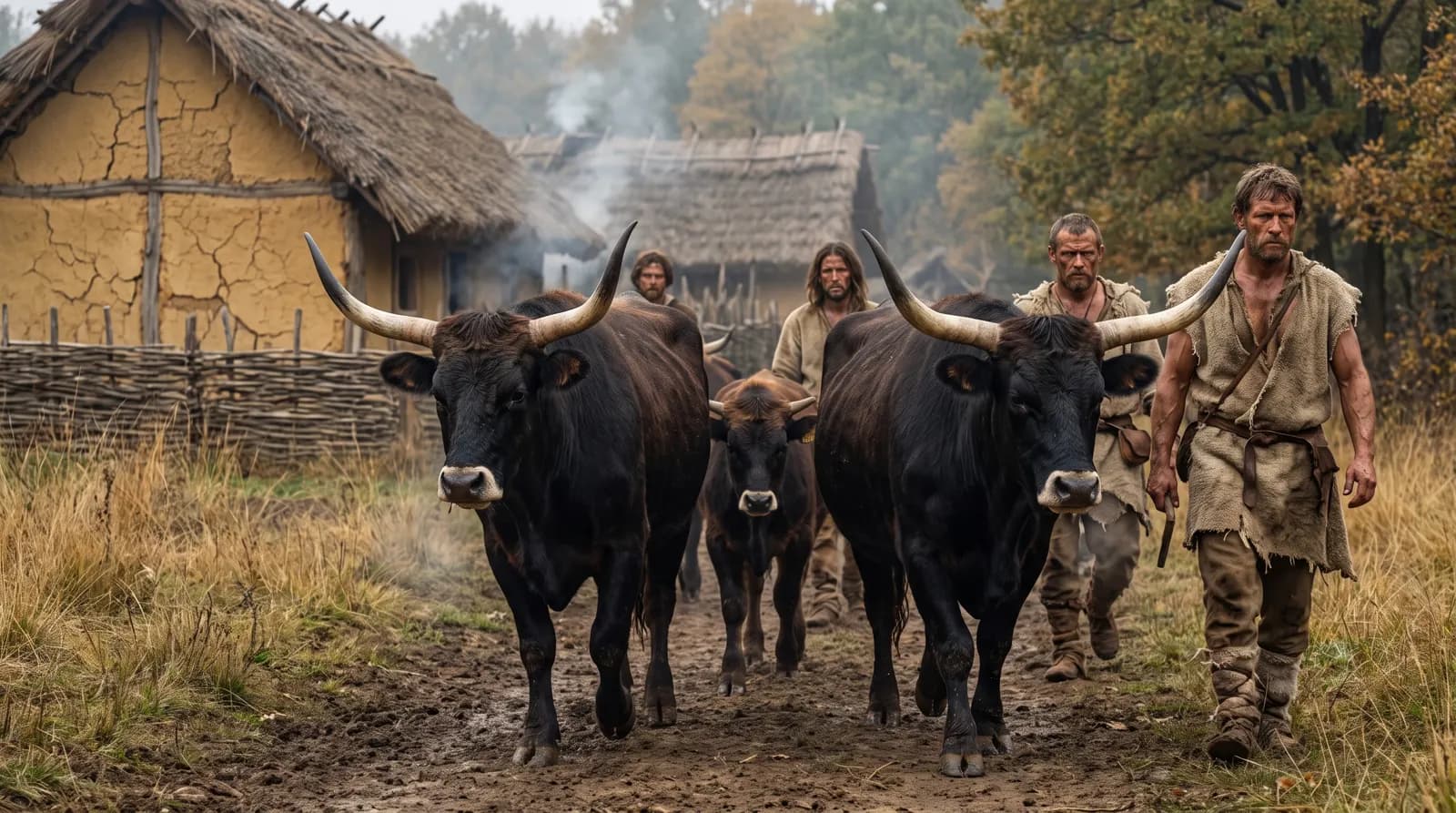 AI
Neolithic
The first herds
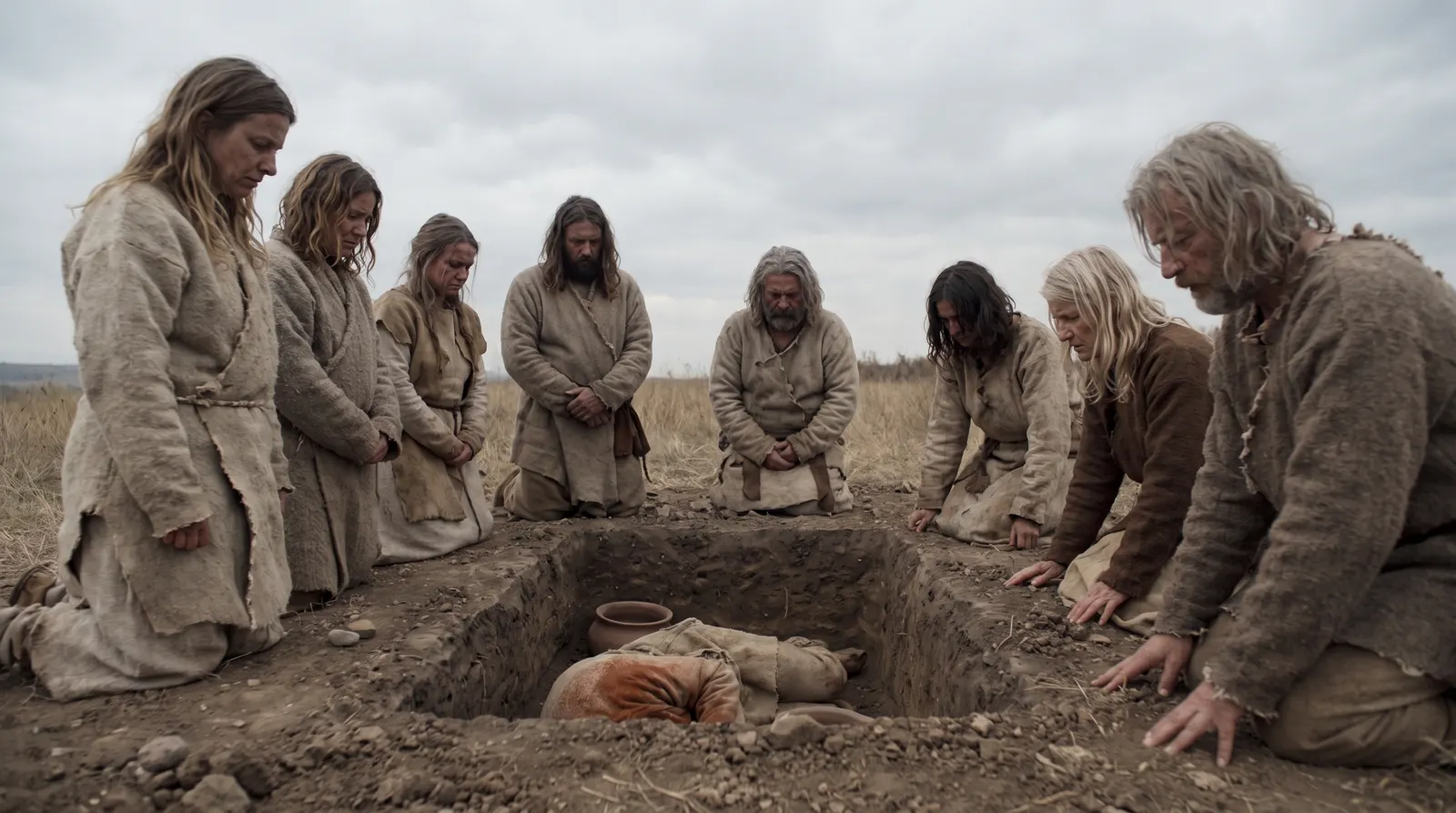 AI
Chalcolithic · ~5000 BCE
A burial
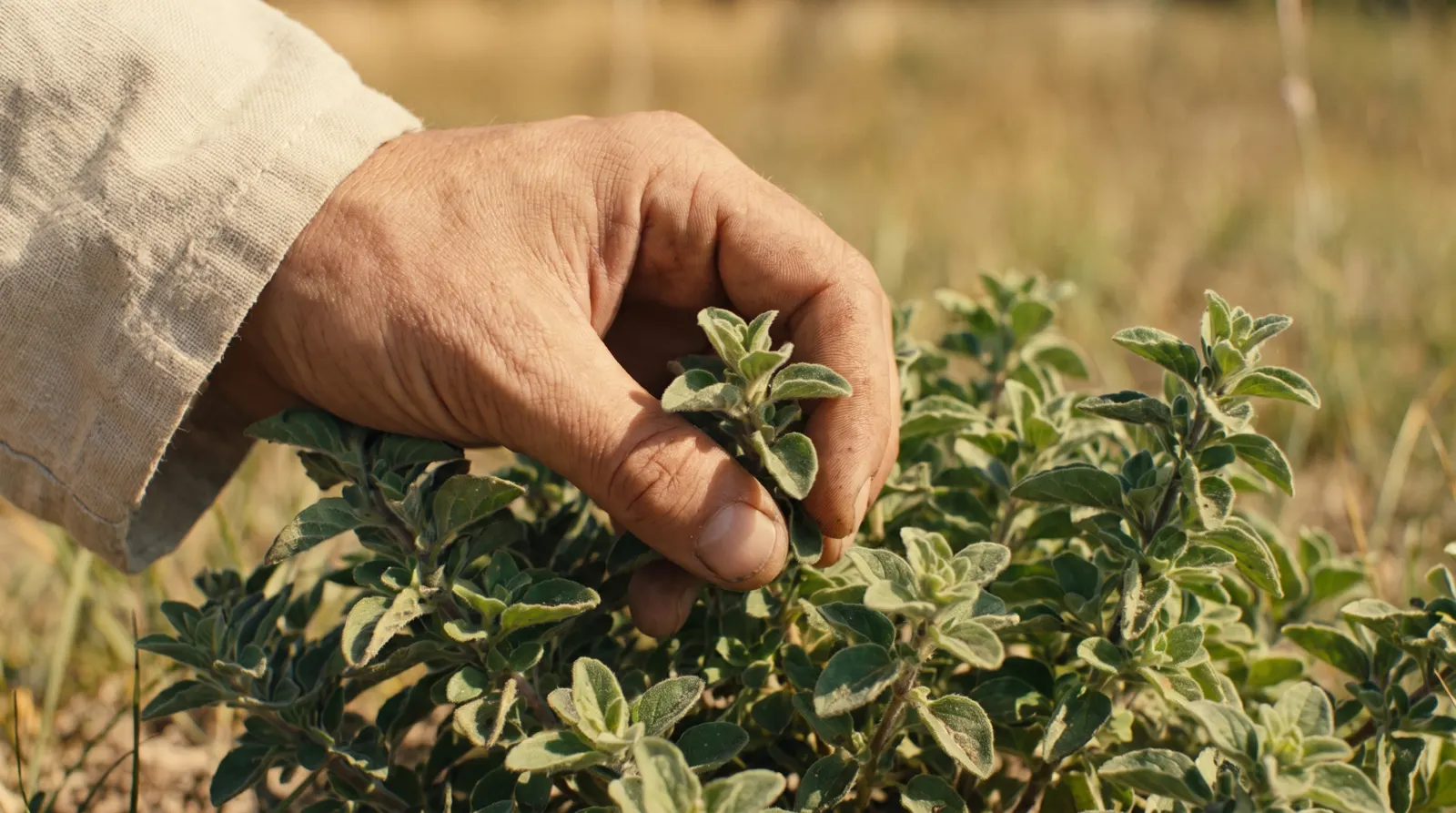 AI
Prehistory
A healing plant
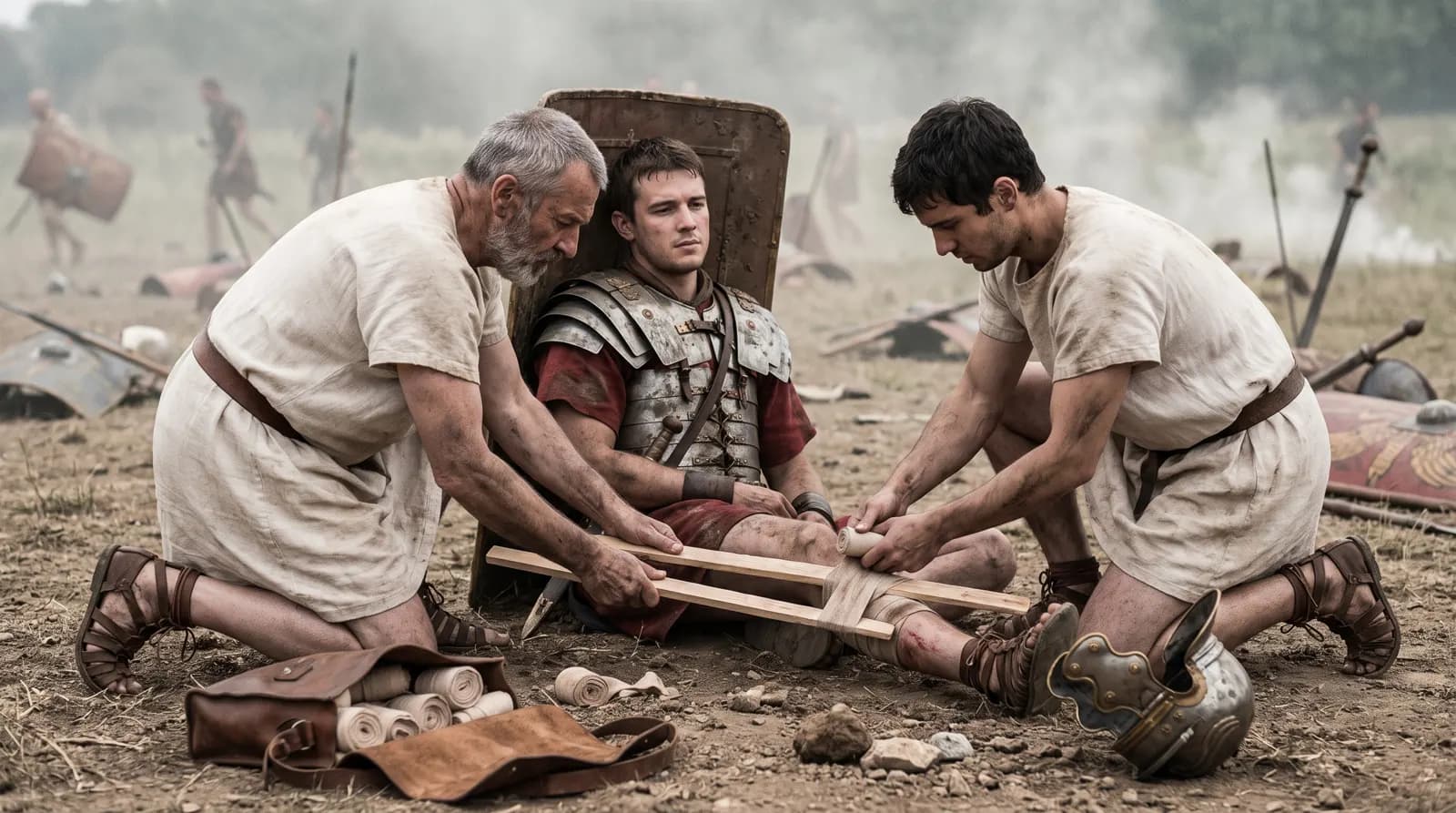 AI
Roman era
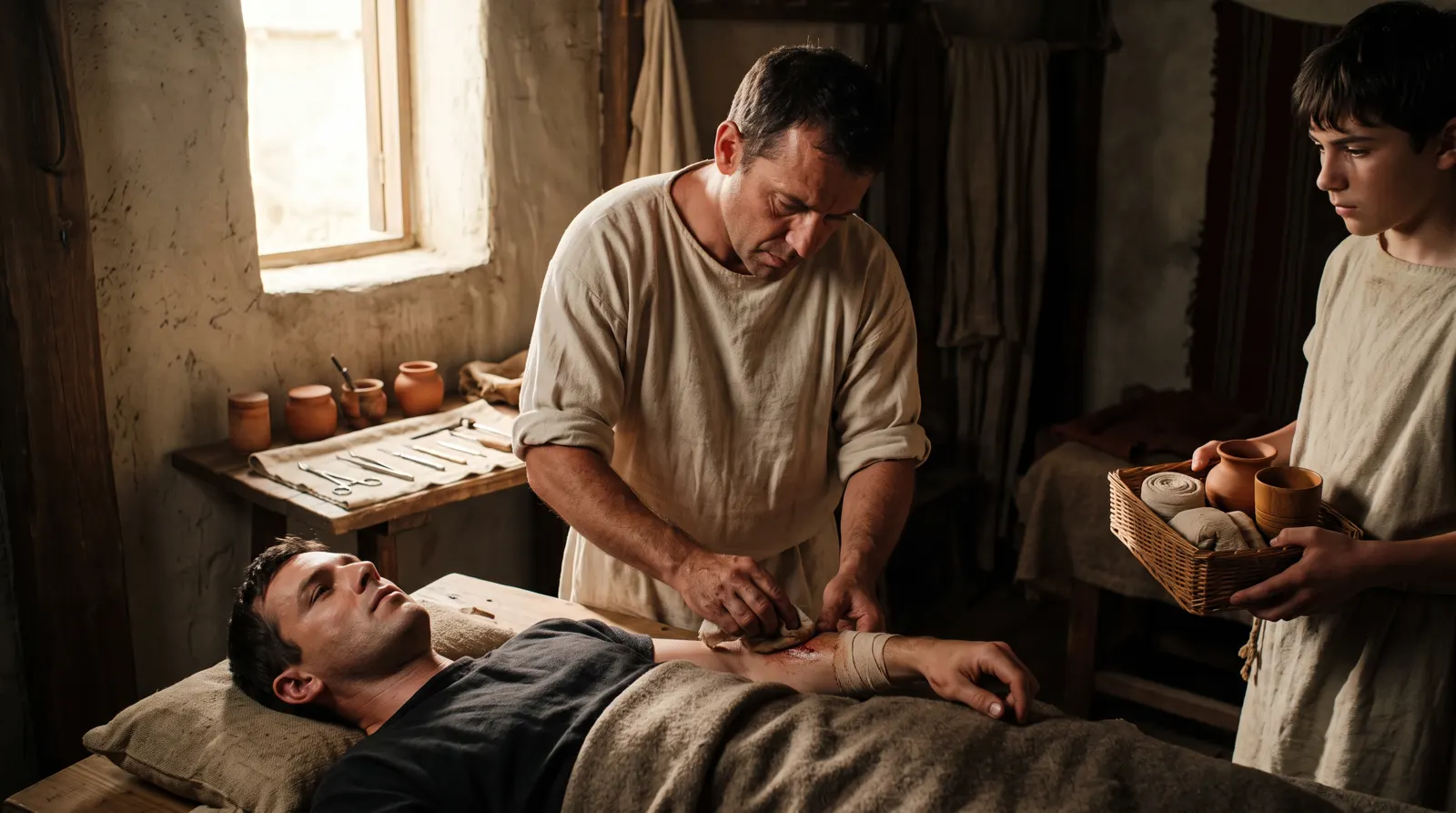
First aid on the field
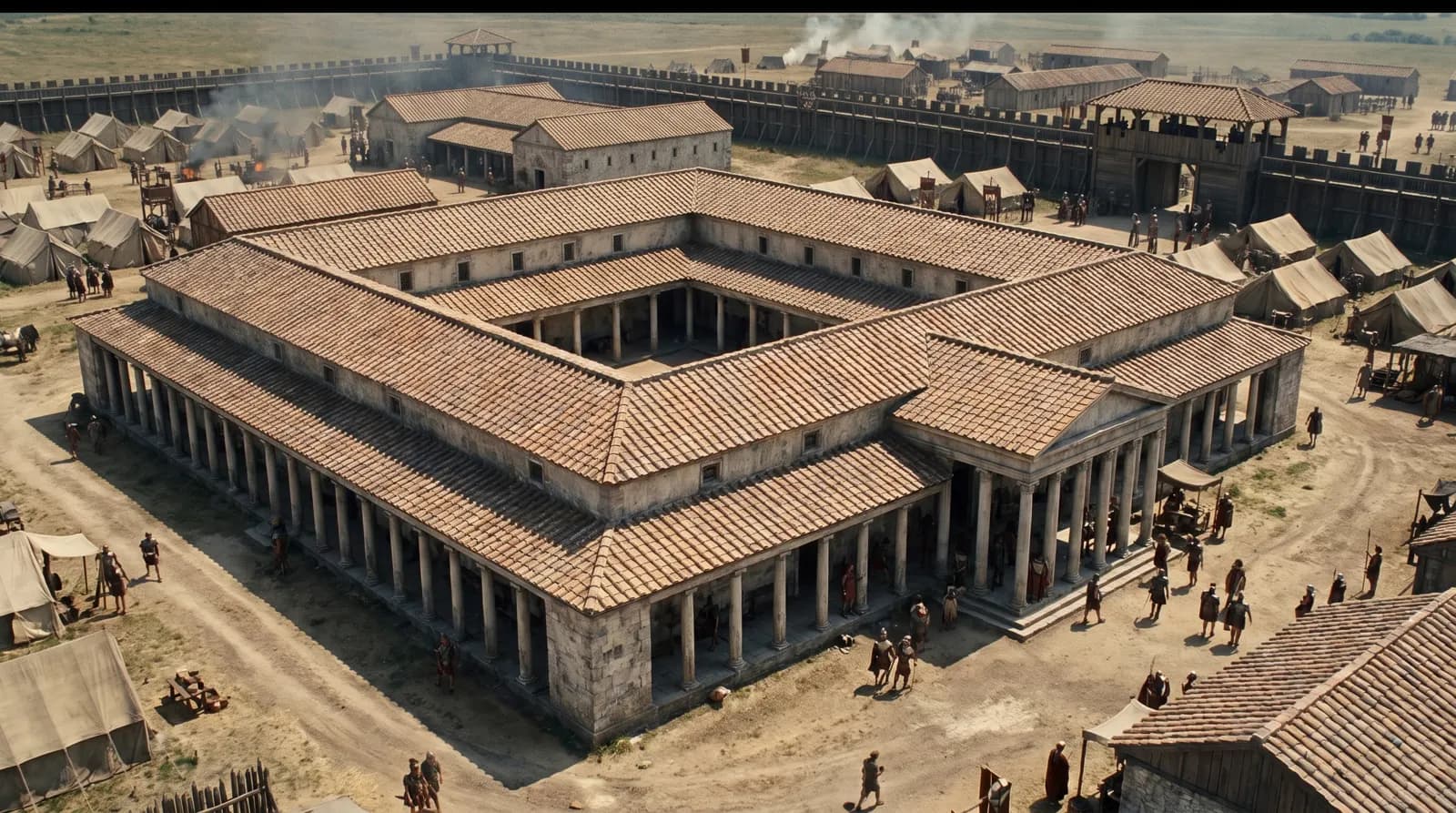 AI
Roman era
A military hospital
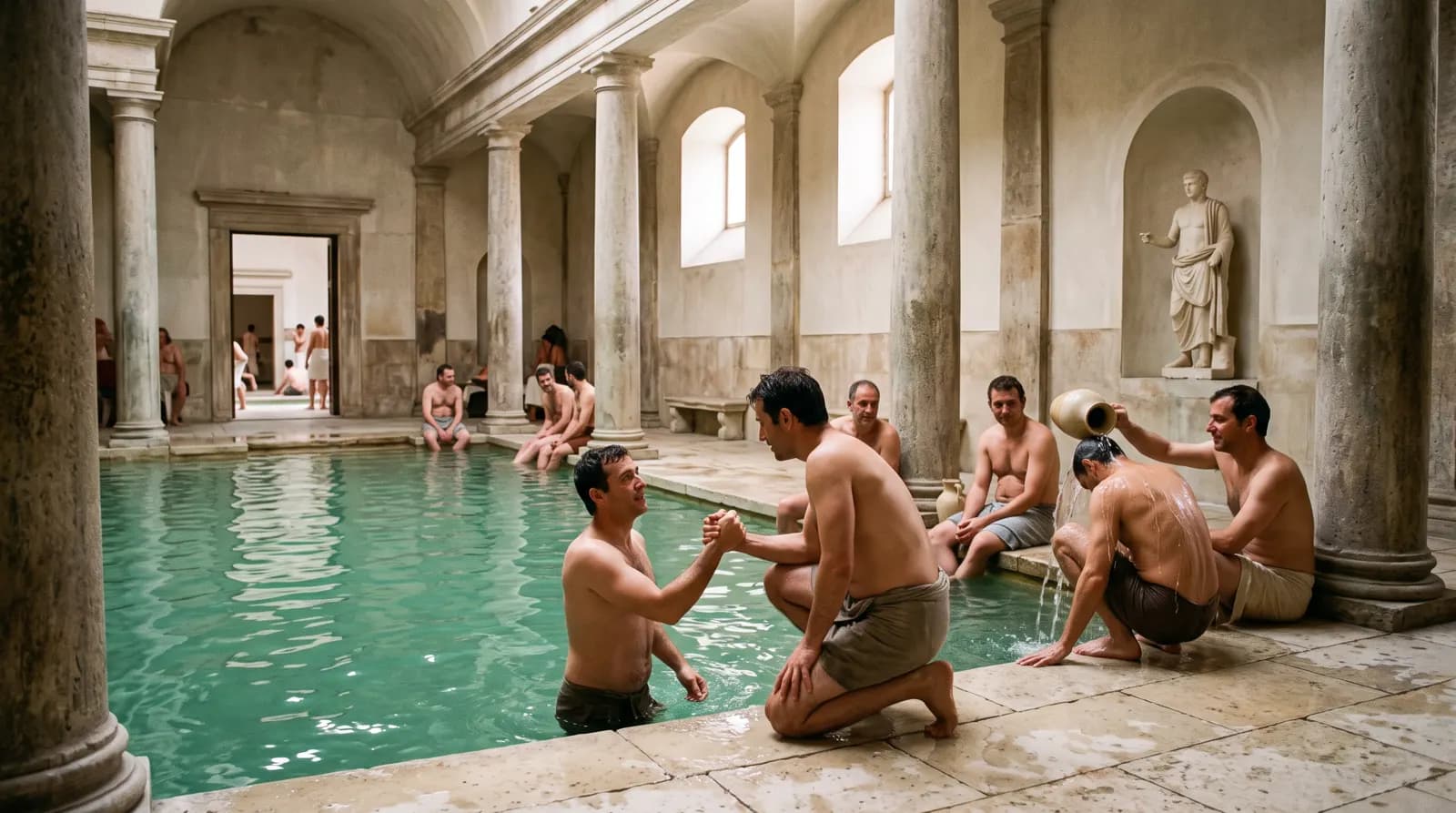 AI
Roman era
The public baths
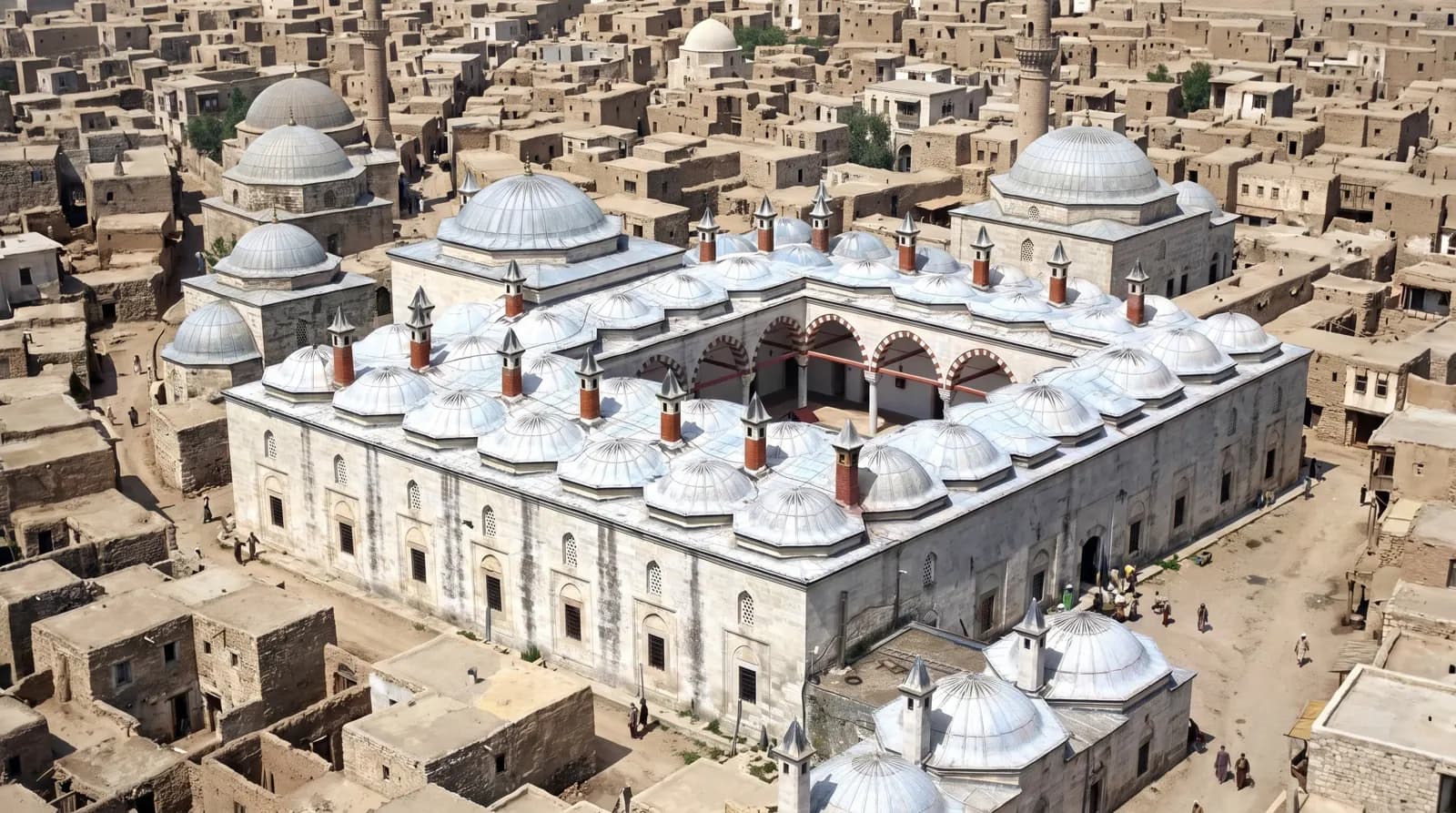 AI
Ottoman period
A hospital and its domes
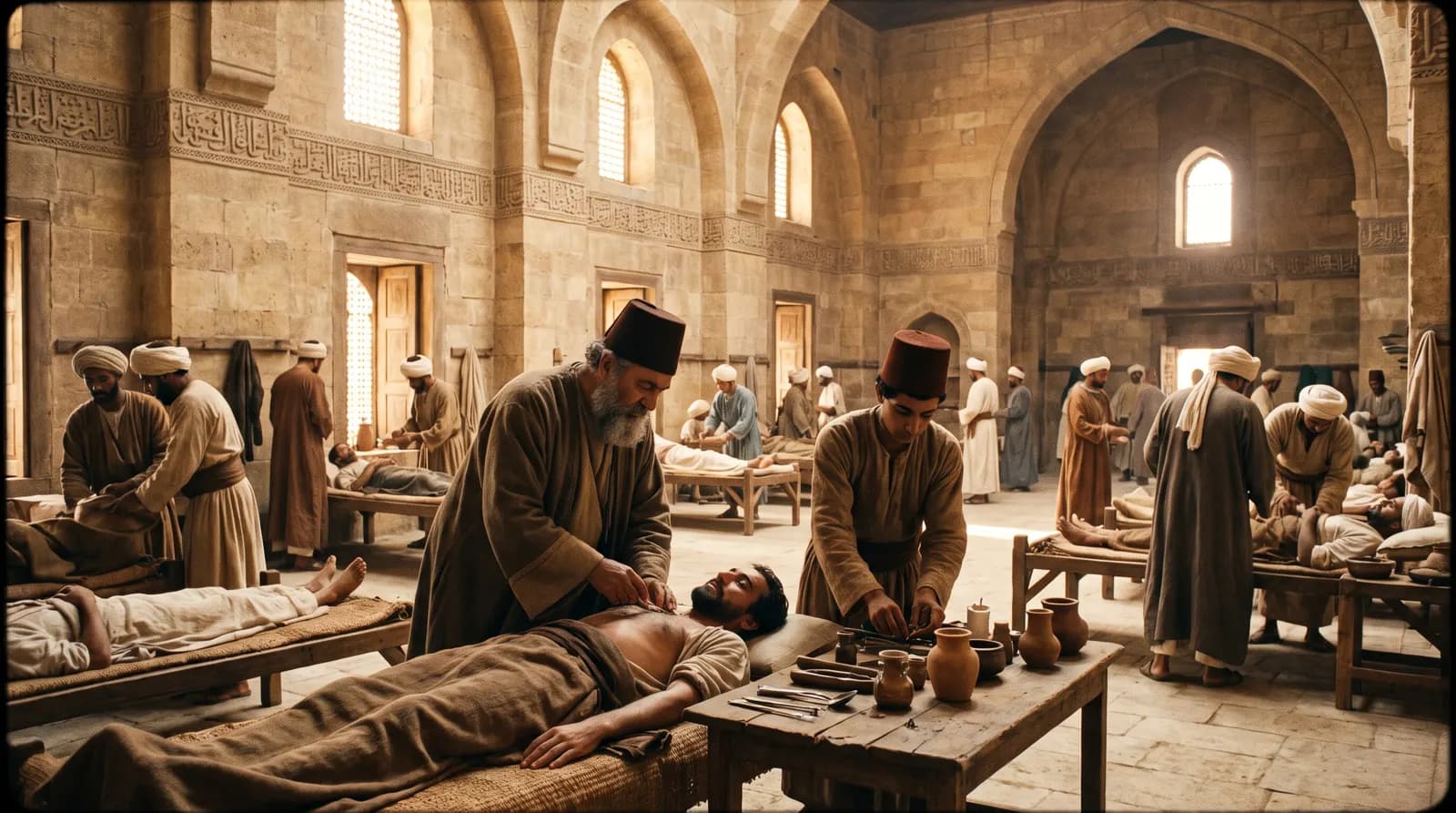 AI
Ottoman period
The hospital hall
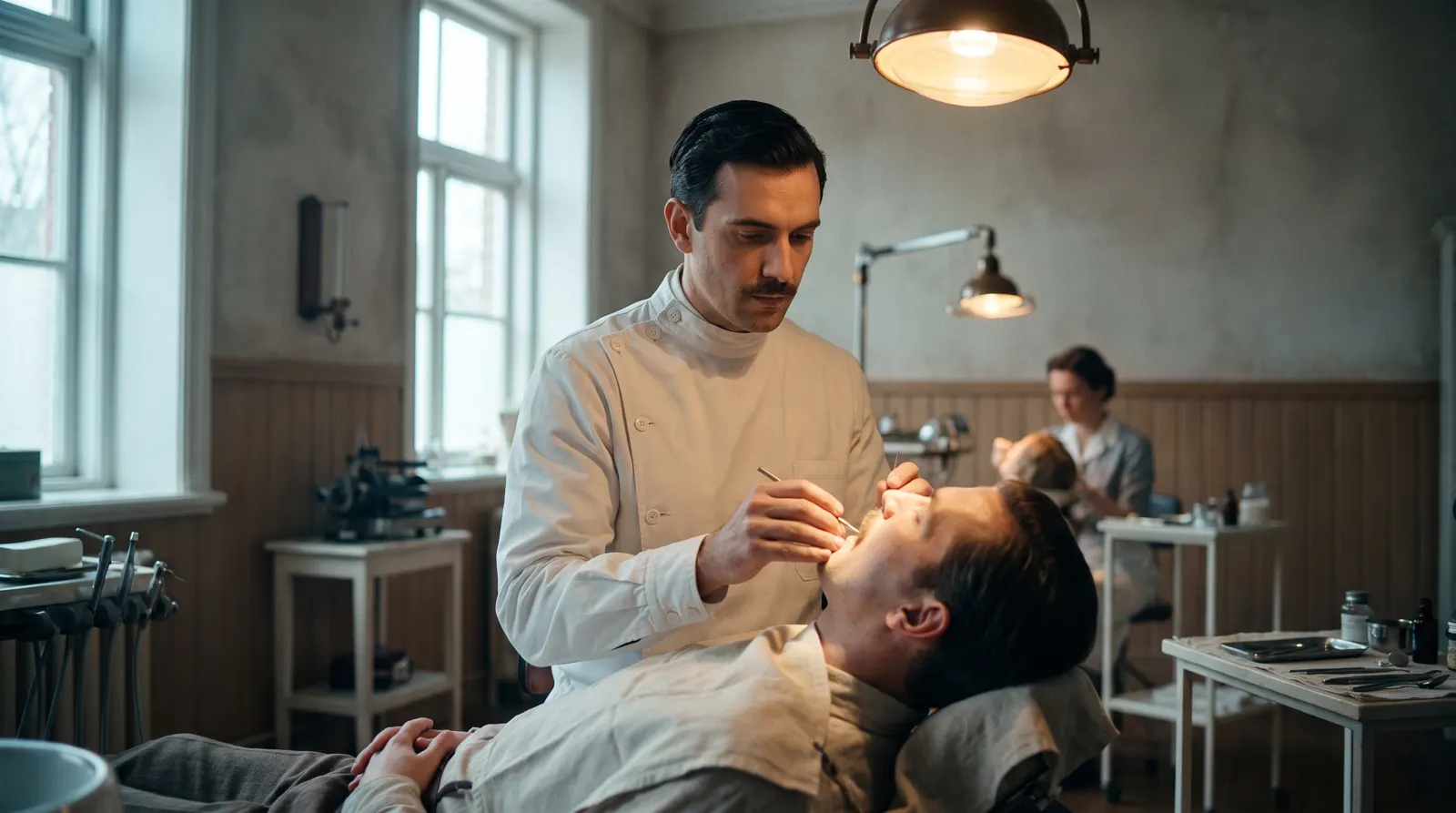 AI
1900
A modern dental office
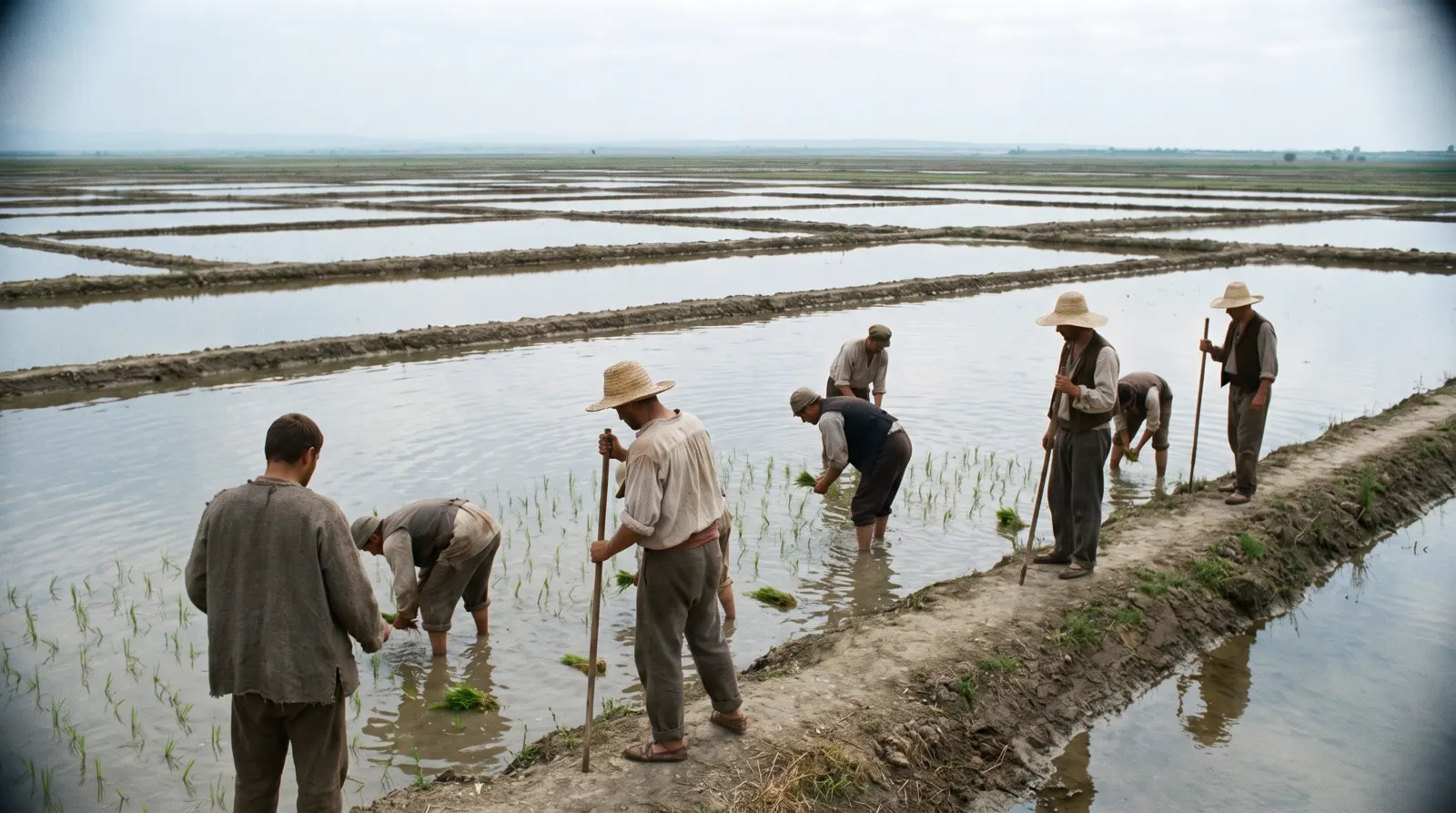 AI
Early 20th century
Malaria in the rice fields
 AI
Early 20th century
A tuberculosis ward
 AI
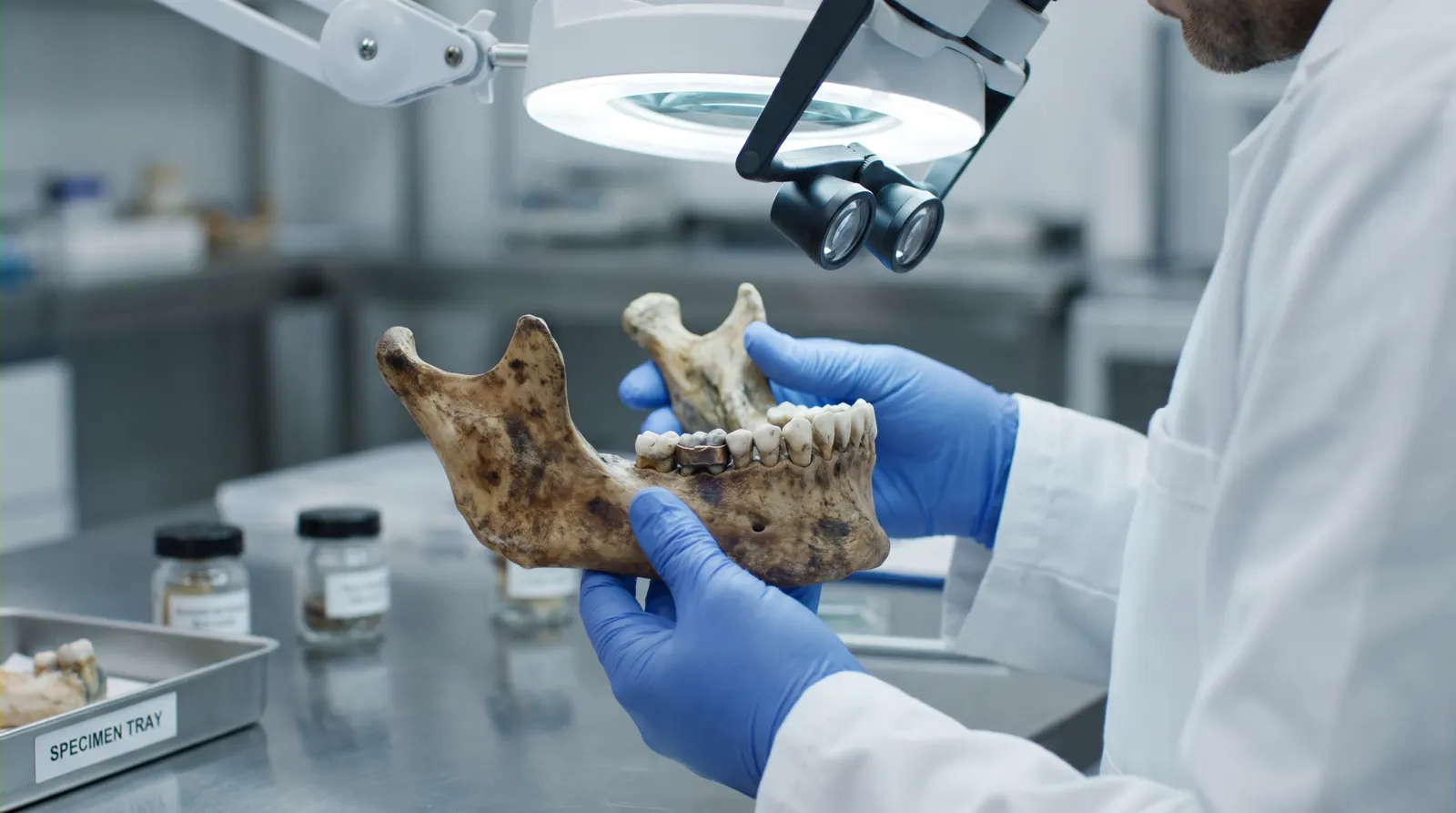
Today
The find, studied
Let the narration lead.
Each video follows its narrator's script, with every scene timed to what the visitor is hearing. The images explain the story instead of decorating it.
The final film lands here
Narrated · coming soon
The final film lands here
Narrated · coming soon
The final film lands here
Narrated · coming soon
The result: a past visitors can see
Across the series, AI-generated scenes bring prehistoric settlements, early medical practices, Byzantine hospitals and later periods of Bulgarian medical history into view.
The finished visuals give the museum a way to illustrate the people, places and practices behind its historical material, including moments that no camera could have recorded.
The objects stay in the cases. The stories behind them now move.
AI museum video FAQ
the short answers.
Yes, especially for history that was never filmed. For the Museum of Medicine, close friends. used AI to create photorealistic scenes across 24 narrated videos, from Neolithic farming to medieval hospitals, giving visitors images of moments that exist only in archaeological finds and written sources.
Historical AI production starts with research, scripts and period-specific references. For the Museum of Medicine, we developed scenes around the narration and historical context of each topic. The resulting visuals are reconstructions intended to support the museum's educational storytelling, not archival records of the past.
close friends. created the AI-generated historical scenes and animation for the museum's narrated video series, covering 19 themes from prehistoric diet and dentistry to Ottoman epidemics and the founding of the medical faculty. The project also included an animated version of the museum's logo.
Bringing a collection to life?
Prehistory, a lost building or a story told only in documents. Tell us what your exhibition needs visitors to see, and we'll help you show it.